Units 155 – 158, 17th Floor, No. 1, Skyport Tower, Hurriyet Blvd., Yakuplu District, Beylikduzu County, Istanbul 34524 - Turkiye (former Turkey)
 TR
TR
 AR
AR
 RU
RU
 FA
FA

Communication methods
Units 155 – 158, 17th Floor, No. 1, Skyport Tower, Hurriyet Blvd., Yakuplu District, Beylikduzu County, Istanbul 34524 - Turkiye (former Turkey)
08504712222
info@adlimgostar.com.tr
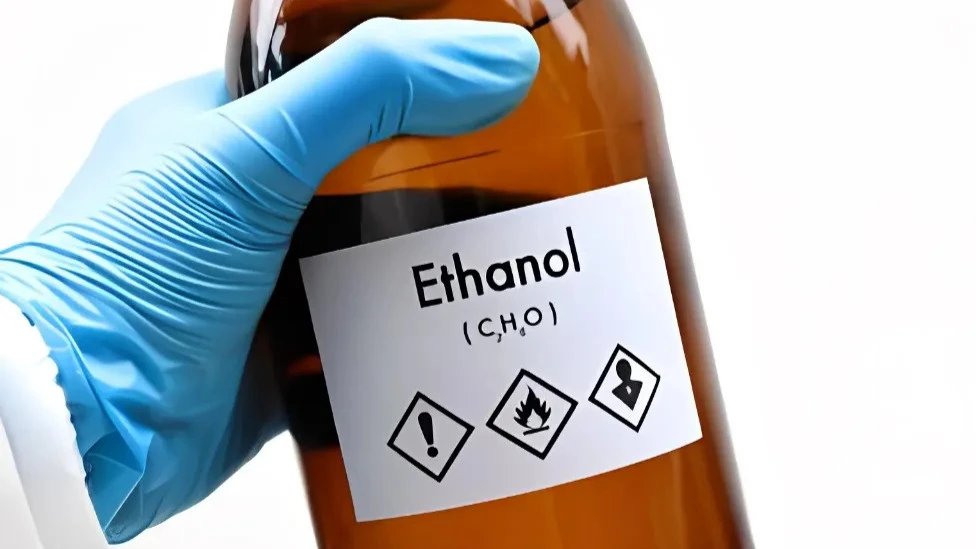
ETHANOL
(Complete Technical Content for Website & Catalog Use)
Introduction to Ethanol
Ethanol (also known as ethyl alcohol) is a volatile, flammable, and colorless liquid with a characteristic odor. It is the same type of alcohol that is consumed in alcoholic beverages, but its uses extend well beyond this. Ethanol is a renewable resource, primarily produced from fermentation of sugars or starches derived from plant-based materials such as corn, sugarcane, and wheat. In addition to its role in the beverage industry, ethanol has significant applications in fuel production, pharmaceuticals, cosmetics, sanitation, and solvents.
Types of Ethanol
Ethanol can be classified based on its purity and intended use:
(A) Fuel Ethanol (Ethanol for Fuel Purposes)
- Definition: This is ethanol that is specifically produced and used as a biofuel in vehicles and other machines.
- Concentration: Typically contains a higher water content than industrial-grade ethanol and is blended with gasoline.
- Common Blends:
- E10: 10% ethanol and 90% gasoline.
- E85: 85% ethanol and 15% gasoline.
- Sources: Primarily derived from crops like corn and sugarcane.
(B) Industrial Ethanol (Anhydrous or Absolute Ethanol)
- Definition: Ethanol that is virtually free of water content (usually 99% or greater purity).
- Uses: Used as a solvent in various industrial applications, including the manufacture of personal care products, paints, and coatings.
- Purity: Anhydrous ethanol is produced through processes like molecular sieves or azeotropic distillation.
(C) Denatured Ethanol
- Definition: Ethanol that has been mixed with a small amount of denaturing agents (e.g., methanol, isopropanol) to make it unfit for human consumption.
- Uses: Primarily used in industrial applications, such as cleaning, fuel production, and as a solvent, without the risk of intoxication.
(D) Beverage Ethanol
- Definition: Ethanol that is specifically produced for consumption in alcoholic beverages like wine, beer, and spirits.
- Purity: Usually diluted to around 40% to 50% alcohol content for drinking purposes (e.g., vodka, whiskey).
- Production: Fermented from natural sugars and grains, such as barley, grapes, or maize.
Applications of Ethanol
Ethanol is used in a wide variety of industries due to its versatile properties:
(A) Automotive Industry
- Fuel: Ethanol is used as an alternative or additive to gasoline, especially in the form of E85 (85% ethanol, 15% gasoline). It is considered a renewable biofuel, reducing greenhouse gas emissions and reliance on fossil fuels.
- Fuel Additives: Ethanol is added to gasoline to improve octane ratings and reduce carbon monoxide emissions.
(B) Pharmaceuticals and Healthcare
- Solvent: Ethanol is used as a solvent in the formulation of many pharmaceutical preparations, including tinctures, tonics, and oral syrups.
- Antiseptic: Due to its disinfectant properties, ethanol is commonly used in hand sanitizers and disinfectants.
- Preservative: Used to preserve medicinal compounds and extracts.
(C) Personal Care and Cosmetics
- Astringent: In cosmetics, ethanol is used in products such as toners, hair sprays, perfumes, and aftershaves because of its astringent properties.
- Solvent: It is a common solvent in the formulation of lotions, deodorants, and shampoos.
(D) Industrial and Chemical Manufacturing
- Solvent: Ethanol is a solvent for paints, lacquers, varnishes, and other coatings. It is used in chemical manufacturing processes as a solvent in the production of chemicals and in the formulation of various industrial cleaners.
- Extracting Agent: Used in the extraction of essential oils and flavors from plants, and in the manufacture of bio-based chemicals like acetic acid.
(E) Food and Beverages
- Flavoring: Ethanol is used in food products as a carrier for flavorings and colorings.
- Preservation: In some cases, ethanol is used as a preservative in food products and beverages.
Chemical and Physical Characteristics of Ethanol
(A) Chemical Properties
- Molecular Formula: C₂H₅OH
- Molecular Weight: 46.07 g/mol
- CAS Number: 64-17-5
- Acidity: Slightly acidic, with a pH of around 7 when diluted.
- Flammability: Highly flammable, with a flashpoint of approximately 13°C (55°F).
- Polarity: Polar solvent, which allows it to dissolve a wide range of substances (water-soluble and lipophilic).
- Boiling Point: 78.37°C (173.07°F).
- Melting Point: -114°C (-173°F).
- Vapor Pressure: 59 mmHg at 20°C.
(B) Physical Properties
|
Property |
Value |
|
Density |
0.789 g/cm³ (at 20°C) |
|
Viscosity |
1.074 mPa·s (at 20°C) |
|
Refractive Index |
1.3628 (at 20°C) |
|
Evaporation Rate |
5 (n-butyl acetate = 1) |
|
Flash Point |
13°C (55°F) |
|
Solubility in Water |
Miscible with water in all proportions |
Standards and Specifications
Ethanol, especially when used in fuel or industrial applications, is subject to various standards to ensure purity, safety, and quality.
(A) ASTM (American Society for Testing and Materials)
- ASTM E1250: Standard Guide for Sampling Industrial Chemicals (including ethanol).
- ASTM D4806: Standard Specification for Denatured Fuel Ethanol for Blending with Gasoline.
- ASTM D5501: Standard Test Method for Determining the Water Content of Ethanol Fuels by Karl Fischer Titration.
(B) ISO (International Organization for Standardization)
- ISO 17025: General requirements for the competence of testing and calibration laboratories.
- ISO 14187: Standard for the determination of ethanol content in beverages and fuel ethanol.
(C) European Standards (EN)
- EN 15376: Fuel ethanol for use in automotive vehicles — Requirements and test methods.
- EN 15493: Ethanol used as a fuel additive — Specifications and testing for blending with gasoline.
(D) Quality Control for Industrial Ethanol
- Purity: Anhydrous ethanol should be at least 99% pure.
- Water Content: Industrial-grade ethanol is often tested for water content, and it must typically have less than 0.5% water for use in chemical applications.
Environmental Impact of Ethanol
Renewable Source
Ethanol produced from biomass (such as corn, sugarcane, or other agricultural products) is considered a renewable biofuel. This makes it an attractive alternative to fossil fuels for reducing carbon emissions and promoting sustainable energy sources.
(B) Carbon Footprint
The carbon emissions associated with ethanol production are lower compared to gasoline due to its bio-based origin, although the overall environmental impact varies depending on the crop used, energy inputs, and production methods.
(C) Biodegradability
Ethanol is biodegradable, breaking down rapidly in the environment without leaving harmful residues.
Advantages of Ethanol
- Renewable: Ethanol is produced from renewable resources, such as crops, making it a more sustainable fuel compared to fossil fuels.
- Reduces Greenhouse Gases: As a biofuel, ethanol helps reduce the carbon footprint of gasoline and diesel fuels by lowering CO2 emissions.
- Solvent Power: Ethanol is an effective solvent in industrial processes, cleaning agents, and pharmaceuticals.
- High Octane Rating: When used in gasoline blends, ethanol raises the fuel's octane rating, improving engine performance.
- Clean Burning: Ethanol burns cleaner than gasoline, reducing harmful emissions like carbon monoxide and particulate matter.
Current Trends in Ethanol Usage
- Biofuel Production: Ethanol as a biofuel is a growing industry, with increased usage in E85 blends, flex-fuel vehicles (FFVs), and national efforts to reduce dependency on fossil fuels.
- Second-Generation Ethanol: Research into cellulosic ethanol, which is derived from non-food plant material (like wood, grasses, and agricultural waste), is gaining momentum as a more sustainable and efficient biofuel source.
- Ethanol in Pharmaceuticals and Cosmetics: The use of ethanol in pharmaceuticals and personal care products is expected to increase due to the growing demand for natural and biodegradable alternatives to synthetic chemicals.