Units 155 – 158, 17th Floor, No. 1, Skyport Tower, Hurriyet Blvd., Yakuplu District, Beylikduzu County, Istanbul 34524 - Turkiye (former Turkey)
 TR
TR
 AR
AR
 RU
RU
 FA
FA

Communication methods
Units 155 – 158, 17th Floor, No. 1, Skyport Tower, Hurriyet Blvd., Yakuplu District, Beylikduzu County, Istanbul 34524 - Turkiye (former Turkey)
08504712222
info@adlimgostar.com.tr
PRECIOUS METALS
Introduction: What Are Precious Metals?
Precious metals are rare, naturally occurring metallic chemical elements of high economic value.
They are prized for:
- Scarcity
- High economic value
- Durability and corrosion resistance
- Attractive appearance (luster, color)
- Specialized industrial, technological, and investment uses
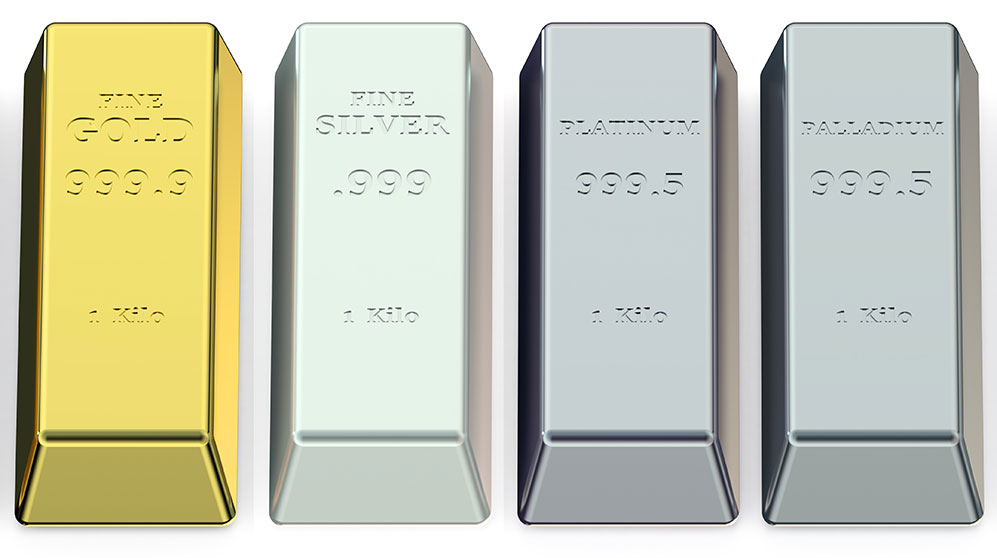
Gold, silver, platinum, and palladium are the most well-known precious metals, though others like rhodium, ruthenium, and iridium also belong to this elite group.
Historical Background
- Ancient Civilizations:
Gold and silver were used by Egyptians, Mesopotamians, Greeks, and Romans as currency, jewelry, and religious artifacts. - Middle Ages:
Introduction of coinage systems based on gold and silver standards. - Modern Era:
Development of the Gold Standard for global monetary policy in the 19th century. - Today:
Precious metals serve both industrial and investment purposes — safe-haven assets, jewelry, electronics, green energy, and medical technologies.
Applications of Precious Metals
|
Sector |
Example Applications |
|
Jewelry and Ornamentation |
Rings, necklaces, watches, decorative objects |
|
Investment |
Bullion bars, coins, ETFs, central bank reserves |
|
Electronics |
Conductors, connectors, contacts, memory devices |
|
Medical and Dental |
Surgical tools, dental fillings, implants |
|
Catalysts |
Automotive catalytic converters, chemical processing |
|
Energy |
Hydrogen fuel cells, solar panels |
|
Aerospace and Defense |
High-performance parts, reflective coatings |
Major Types of Precious Metals
(A) Gold (Au)
- Highly ductile, malleable, and corrosion-resistant.
- Used for jewelry, electronics, dentistry, monetary reserves.
(B) Silver (Ag)
- Best electrical and thermal conductivity of all metals.
- Widely used in electronics, photovoltaics (solar cells), medical equipment, jewelry.
(C) Platinum (Pt)
- Extremely corrosion-resistant and dense.
- Critical for catalytic converters, medical devices, jewelry.
(D) Palladium (Pd)
- Highly efficient catalyst; essential for emissions control in vehicles.
- Also used in electronics, dentistry, and jewelry.
(E) Rhodium (Rh)
- Rarest and most valuable precious metal.
- Used in catalytic converters and high-reflectivity jewelry coatings.
(F) Ruthenium (Ru)
- Hard, corrosion-resistant; used in electronics, coatings, and alloys.
(G) Iridium (Ir)
- Very dense and corrosion-resistant.
- Used in spark plugs, crucibles, and aerospace components.
Differences Between Precious Metals
|
Metal |
Key Properties |
Primary Uses |
|
Gold |
Soft, ductile, corrosion-resistant |
Jewelry, investment, electronics, dentistry |
|
Silver |
Best conductor, tarnishes in air |
Electronics, medical, jewelry |
|
Platinum |
Dense, highly corrosion-resistant |
Catalysts, jewelry, medical devices |
|
Palladium |
Excellent catalyst, lower melting point |
Catalytic converters, electronics, dentistry |
|
Rhodium |
High reflectivity, corrosion-resistant |
Catalytic converters, jewelry plating |
|
Ruthenium |
Hard, resistant to wear |
Electrical contacts, chip resistors |
|
Iridium |
Very hard, highest corrosion resistance |
Aerospace, deep-sea equipment |
Chemical and Physical Characteristics
|
Property |
Gold |
Silver |
Platinum |
Palladium |
Rhodium |
Ruthenium |
Iridium |
|
Atomic Number |
79 |
47 |
78 |
46 |
45 |
44 |
77 |
|
Density (g/cm³) |
19.32 |
10.49 |
21.45 |
12.02 |
12.41 |
12.37 |
22.56 |
|
Melting Point (°C) |
1,064 |
961.8 |
1,768 |
1,555 |
1,964 |
2,334 |
2,446 |
|
Electrical Conductivity |
Excellent |
Best among metals |
Good |
Good |
Moderate |
Moderate |
Low |
|
Corrosion Resistance |
Very high |
High but tarnishes |
Very high |
High |
Extremely high |
Very high |
Extremely high |
|
Ductility |
Very high |
High |
Moderate |
Moderate |
Low |
Moderate |
Low |
Typical Specifications and Purity Grades
(A) Gold
- Purity measured in karats:
- 24K = 99.99% pure (investment grade)
- 22K, 18K for jewelry
- Investment gold must meet ISO 11426 standards.
(B) Silver
- Fine silver: 99.9% pure
- Sterling silver: 92.5% silver + 7.5% copper (for strength)
(C) Platinum and Palladium
- Typically 95%+ pure for investment and industrial use.
- Jewelry often alloyed for durability.
(D) Rhodium, Ruthenium, Iridium
- Industrial grades typically 99.9% pure.
International Standards for Precious Metals
|
Standard Organization |
Example Standards |
|
ISO |
ISO 11426 (Gold – Determination of Gold Content) |
|
LBMA (London Bullion Market Association) |
Good Delivery Lists for gold, silver, platinum, palladium |
|
ASTM International |
ASTM B32 (solders with precious metal content) |
|
COMEX/NYMEX |
Futures and spot trading specifications |
|
CIBJO |
The World Jewellery Confederation standards |
Investment and Industrial Trends
- Safe-Haven Assets:
In times of economic uncertainty, gold, silver, and platinum are heavily favored. - Green Technologies:
Palladium, platinum, and rhodium are vital for reducing automotive emissions. - Medical Innovations:
Platinum and silver are expanding their roles in new medical technologies. - Energy Applications:
Precious metals are integral to hydrogen economy development (e.g., platinum catalysts in fuel cells).
Environmental and Ethical Considerations
- Recycling:
High recycling rates reduce reliance on mining (especially for gold, platinum). - Responsible Sourcing:
Certification schemes like Responsible Jewellery Council (RJC) and Fairmined Gold ensure ethical practices. - Carbon Footprint:
Efforts are ongoing to minimize environmental impacts of mining and refining.