Units 155 – 158, 17th Floor, No. 1, Skyport Tower, Hurriyet Blvd., Yakuplu District, Beylikduzu County, Istanbul 34524 - Turkiye (former Turkey)
 TR
TR
 AR
AR
 RU
RU
 FA
FA

Communication methods
Units 155 – 158, 17th Floor, No. 1, Skyport Tower, Hurriyet Blvd., Yakuplu District, Beylikduzu County, Istanbul 34524 - Turkiye (former Turkey)
08504712222
info@adlimgostar.com.tr
NPK Fertilizers: Comprehensive Guide
Background of NPK Fertilizers
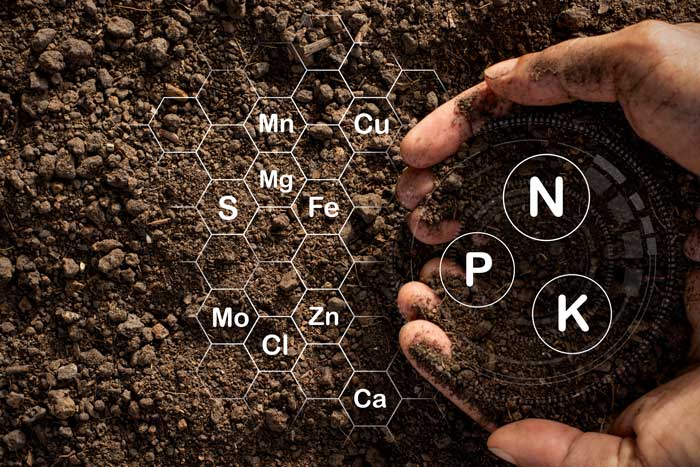
NPK stands for Nitrogen (N), Phosphorus (P), and Potassium (K) — the three primary nutrients essential for plant growth. NPK fertilizers are complex fertilizers that combine these macronutrients in various ratios to support the different developmental stages of plants.
- Nitrogen (N): Encourages vegetative growth (leaves, stems).
- Phosphorus (P₂O₅): Promotes strong root development, flower and fruit formation.
- Potassium (K₂O): Enhances overall plant health, disease resistance, and improves quality of fruits and seeds.
The development of NPK fertilizers revolutionized agriculture by offering a balanced nutrient supply tailored to specific crop needs, improving yield, crop quality, and soil fertility management.
Applications and Usage
NPK fertilizers are widely used across agriculture, horticulture, landscaping, and forestry sectors, including:
- Cereal crops: wheat, corn, rice.
- Vegetables and fruits: tomatoes, potatoes, citrus fruits.
- Industrial crops: cotton, sugarcane, oilseeds.
- Turf and ornamental plants: golf courses, parks, nurseries.
- Greenhouses: controlled application for specialized crops.
They can be applied through:
- Broadcasting (manual or mechanical),
- Fertigation (through irrigation systems),
- Foliar sprays (in liquid form),
- Deep placement (subsurface application).
Types of NPK Fertilizers
NPK fertilizers come in various forms and combinations, tailored to different crop requirements and soil conditions:
a) Based on Form:
- Granular NPK: Solid granules, slow to moderate release.
- Liquid NPK: Dissolved in water, suitable for fertigation and foliar spraying.
- Water-Soluble NPK: Fully soluble, fast-acting, for precision agriculture.
- Controlled-Release NPK: Encapsulated fertilizers that release nutrients over time.
b) Based on Composition:
- Straight NPK Mixtures: Physical blend of separate N, P, and K components.
- Complex/Compound NPK: Each granule contains all three nutrients chemically combined.
- Customized NPK: Tailor-made formulas for specific crops or soils (e.g., 13-40-13, 20-20-20, 15-5-30).
Differences between NPK Types
|
Type |
Characteristics |
Advantages |
Disadvantages |
|
Granular NPK |
Solid, slow dissolution |
Easy to apply, long-lasting effect |
Less control over nutrient timing |
|
Liquid NPK |
Liquid form, instant uptake |
Rapid action, fertigation ready |
Shorter residual effect |
|
Water-Soluble NPK |
Dissolves fully in water |
High efficiency, precise dosing |
Higher cost |
|
Controlled-Release NPK |
Slow, time-based nutrient release |
Reduces leaching, labor-saving |
Expensive |
Chemical and Physical Characteristics
|
Property |
Details |
|
Appearance |
Granules, powders, or liquids (depending on type) |
|
Solubility |
Partial to complete (varies by formulation) |
|
pH Range |
5.0 – 7.5 (neutral to slightly acidic preferred) |
|
Density |
0.9 – 1.5 g/cm³ for solids; ~1.2 g/cm³ for liquids |
|
Hygroscopicity |
Varies (some formulations attract moisture easily) |
|
Color |
White, blue, green, pink (depends on composition) |
|
Odor |
Typically odorless |
Chemical Composition:
- Nitrogen can be in forms like nitrate (NO₃⁻), ammonium (NH₄⁺), or urea (NH₂CONH₂).
- Phosphorus is usually in the form of P₂O₅ (phosphate derivatives like MAP, DAP).
- Potassium is typically supplied as K₂O from potassium chloride (KCl) or potassium sulfate (K₂SO₄).
Specifications (General)
Typical specification ranges for standard NPK grades:
|
Grade |
Nitrogen (N) |
Phosphorus (P₂O₅) |
Potassium (K₂O) |
|
NPK 20-20-20 |
20% |
20% |
20% |
|
NPK 10-52-10 |
10% |
52% |
10% |
|
NPK 15-15-15 |
15% |
15% |
15% |
|
NPK 12-32-16 |
12% |
32% |
16% |
|
NPK 13-40-13 |
13% |
40% |
13% |
|
NPK 8-24-24 |
8% |
24% |
24% |
Note: Moisture content is typically below 2% for high-quality granular NPKs.
Heavy metal contents (e.g., lead, cadmium) are regulated and must be minimal.
International Standards and Regulations
NPK fertilizers must meet several quality and safety standards:
- ISO 7409: Fertilizers — Determination of total nitrogen content.
- ISO 7497: Fertilizers — Determination of phosphorus content.
- ISO 7408: Fertilizers — Determination of potassium content.
- EU Fertilizer Regulation (EU) 2019/1009: For fertilizers placed on the European market.
- FAO Fertilizer Standards: Guidelines for labeling, safety, and composition.
- ASTM Standards: For physical properties and testing methodologies.
- REACH Compliance: For European Union chemical safety.
- Local Agricultural Ministries: Each country may impose additional regulations on allowable heavy metals, organic impurities, and labeling.
Labeling typically includes:
- N-P-K percentages,
- Secondary nutrients (Ca, Mg, S if applicable),
- Micronutrient contents (Fe, Mn, Zn, Cu, Mo, B),
- Physical form (granular, liquid, soluble).
Advantages of Using NPK Fertilizers
- Balanced nutrition: Supports full plant growth cycle.
- Customized formulas: Targeted solutions for specific crops and soils.
- Higher yields: Improved crop productivity and profitability.
- Efficient land use: Especially important in intensive farming systems.
- Improved quality: Better size, color, taste, and shelf-life of produce.
Environmental Considerations
Over-application or misuse of NPK fertilizers can cause:
- Nitrate leaching into groundwater,
- Eutrophication of water bodies,
- Soil acidification (especially with ammonium-based N sources).
Best Practices:
- Use soil analysis to guide application rates.
- Adopt precision farming techniques.
- Choose controlled-release or slow-release formulations if appropriate.
- Follow Integrated Nutrient Management (INM) principles.
Conclusion
NPK fertilizers are an essential pillar of modern agriculture, providing a balanced and efficient nutrient source for crops worldwide. Understanding their types, characteristics, and proper usage is crucial for maximizing agricultural productivity while ensuring environmental sustainability.
The Importance of Nitrogen, Phosphorus, and Potassium
- Nitrogen (N): Stimulates lush, green vegetative growth by boosting chlorophyll production.
- Phosphorus (P₂O₅): Enhances strong root development and promotes flowering and fruiting.
- Potassium (K₂O): Strengthens plant immunity, improves drought resistance, and enhances the size, taste, and quality of fruits and grains.
Applications of NPK Fertilizers
NPK fertilizers are widely used in:
- Cereal production (wheat, corn, rice),
- Fruit orchards and vineyards,
- Vegetable farming (tomatoes, potatoes, onions),
- Industrial crops (cotton, sugarcane, tobacco),
- Landscaping (parks, golf courses, home gardens),
- Greenhouse cultivation and controlled environments.
Types of NPK Fertilizers
- Granular NPK: Slow to moderate release; applied directly to the soil.
- Liquid NPK: Fast-acting; ideal for fertigation and foliar sprays.
- Water-Soluble NPK: Precision application; fully dissolves in water.
- Controlled-Release NPK: Long-lasting, minimized leaching into the environment.
Main NPK Fertilizer Grades
|
Grade |
N % |
P₂O₅ % |
K₂O % |
Typical Application |
|
NPK 20-20-20 |
20 |
20 |
20 |
Universal balanced crop nutrition |
|
NPK 15-15-15 |
15 |
15 |
15 |
Horticulture and cereals |
|
NPK 13-40-13 |
13 |
40 |
13 |
Flower and fruit development phase |
|
NPK 10-52-10 |
10 |
52 |
10 |
Root development starter fertilizer |
Technical Characteristics
|
Property |
Description |
|
Form |
Granular, liquid, or soluble powder |
|
Solubility |
Partial to complete (depending on type) |
|
pH Range |
5.0 – 7.5 |
|
Density |
0.9 – 1.5 g/cm³ for solids |
|
Hygroscopicity |
Varies by formulation |
|
Packaging |
25 kg, 50 kg bags; 1 MT jumbo bags |
Standards and Compliance
Our NPK fertilizers comply with:
- ISO Standards (ISO 7409, 7497, 7408),
- European Union Regulation (EU 2019/1009),
- FAO Fertilizer Standards,
- REACH Certification,
- Local Ministry of Agriculture specifications.
Environmental Responsibility
Using precision agricultural practices, our fertilizers are designed to:
- Minimize nutrient runoff,
- Protect water bodies from eutrophication,
- Promote soil health and sustainability.
Why Choose Our NPK Fertilizers?
- Highly pure raw materials,
- Tailor-made formulations available,
- Excellent solubility and absorption rates,
- Sustainable and eco-friendly options.