Units 155 – 158, 17th Floor, No. 1, Skyport Tower, Hurriyet Blvd., Yakuplu District, Beylikduzu County, Istanbul 34524 - Turkiye (former Turkey)
 TR
TR
 AR
AR
 RU
RU
 FA
FA

Communication methods
Units 155 – 158, 17th Floor, No. 1, Skyport Tower, Hurriyet Blvd., Yakuplu District, Beylikduzu County, Istanbul 34524 - Turkiye (former Turkey)
08504712222
info@adlimgostar.com.tr
Polystyrene (PS) is a versatile thermoplastic polymer made from the polymerization of styrene monomers. Known for its excellent clarity, rigidity, and ease of processing, PS is widely used in packaging, consumer goods, electronics, and construction industries. The material can be modified into various subgrades, each designed to cater to specific requirements such as impact resistance, insulation, and flexibility.
Subgrades of Polystyrene and Their Applications
1. General-Purpose Polystyrene (GPPS)
- Characteristics:
- Also known as Crystal Polystyrene due to its transparency and clarity.
- Rigid, brittle, with excellent dimensional stability but low impact resistance.
- Suitable for applications requiring clarity and aesthetic appeal.
- Applications:
- Packaging: Disposable cups, lids, clear food containers, and CD cases.
- Consumer Goods: Cosmetic containers, toys, and household items.
- Medical: Petri dishes, test tubes, and lab equipment.
- Electronics: Transparent parts and housings.
2. High Impact Polystyrene (HIPS)
- Characteristics:
- Modified with rubber or butadiene to improve impact resistance.
- Opaque, easy to thermoform, and offers a good balance between rigidity and toughness.
- Less brittle compared to GPPS, making it ideal for applications requiring durability.
- Applications:
- Packaging: Yogurt cups, trays, clamshell containers, and blister packs.
- Consumer Goods: Refrigerator liners, TV and appliance housings, and toys.
- Signage: Advertising displays and point-of-sale stands.
- Construction: Insulation panels and protective coverings.
3. Expanded Polystyrene (EPS)
- Characteristics:
- Lightweight, closed-cell foam with excellent thermal insulation and shock-absorbing properties.
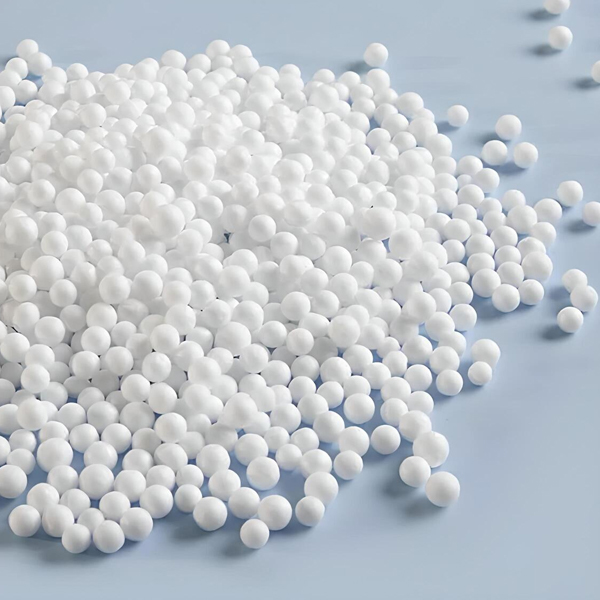
- Made by expanding polystyrene beads, resulting in a highly porous structure.
- Resistant to moisture and chemical exposure.
- Applications:
- Packaging: Protective packaging for electronics, appliances, and fragile items.
- Construction: Insulated concrete forms, roof insulation, and wall sheathing.
- Consumer Goods: Disposable plates, cups, and coolers.
- Safety: Helmet padding and buoyancy aids.
4. Extruded Polystyrene (XPS)
- Characteristics:
- Dense, smooth, and more moisture-resistant than EPS.
- Superior compressive strength and thermal insulation properties.
- Commonly produced in board form for construction applications.
- Applications:
- Construction: Wall and roof insulation, foundation boards, and perimeter insulation.
- Industrial: Cold storage and refrigerated trucks.
- Marine: Dock floats and buoys due to water resistance.
5. Syndiotactic Polystyrene (SPS)
- Characteristics:
- High crystallinity and superior thermal and chemical resistance.
- Good electrical insulation properties.
- Used in applications requiring high-performance engineering plastics.
- Applications:
- Automotive: Fuel system components, pumps, and sensors.
- Electrical: Connectors, insulators, and circuit boards.
- Industrial: Chemical-resistant pipes and fittings.
6. Oriented Polystyrene (OPS)
- Characteristics:
- Produced by stretching polystyrene to enhance strength and clarity.
- Brittle but offers good printability and gloss.
- Applications:
- Packaging: Shrink labels, wrap films, and food trays.
- Advertising: Clear display boxes and blister packs.
- Stationery: Transparent covers and document folders.
Key Advantages of Polystyrene
- Clarity and Aesthetics: Ideal for transparent and attractive packaging.
- Ease of Processing: Suitable for injection molding, extrusion, and thermoforming.
- Insulation Properties: Excellent thermal insulation for EPS and XPS.
- Cost-Effectiveness: Relatively inexpensive compared to other plastics.
Limitations of Polystyrene
- Brittleness: Susceptible to cracking, especially GPPS.
- Environmental Impact: Non-biodegradable and challenging to recycle.
- Chemical Resistance: Limited resistance to some solvents and chemicals.
Conclusion
Polystyrene’s wide range of subgrades and unique properties make it a preferred material for various applications, from packaging to construction and electronics. By selecting the appropriate grade based on factors like impact resistance, insulation, and clarity, manufacturers can ensure optimal performance and cost-efficiency for specific applications.