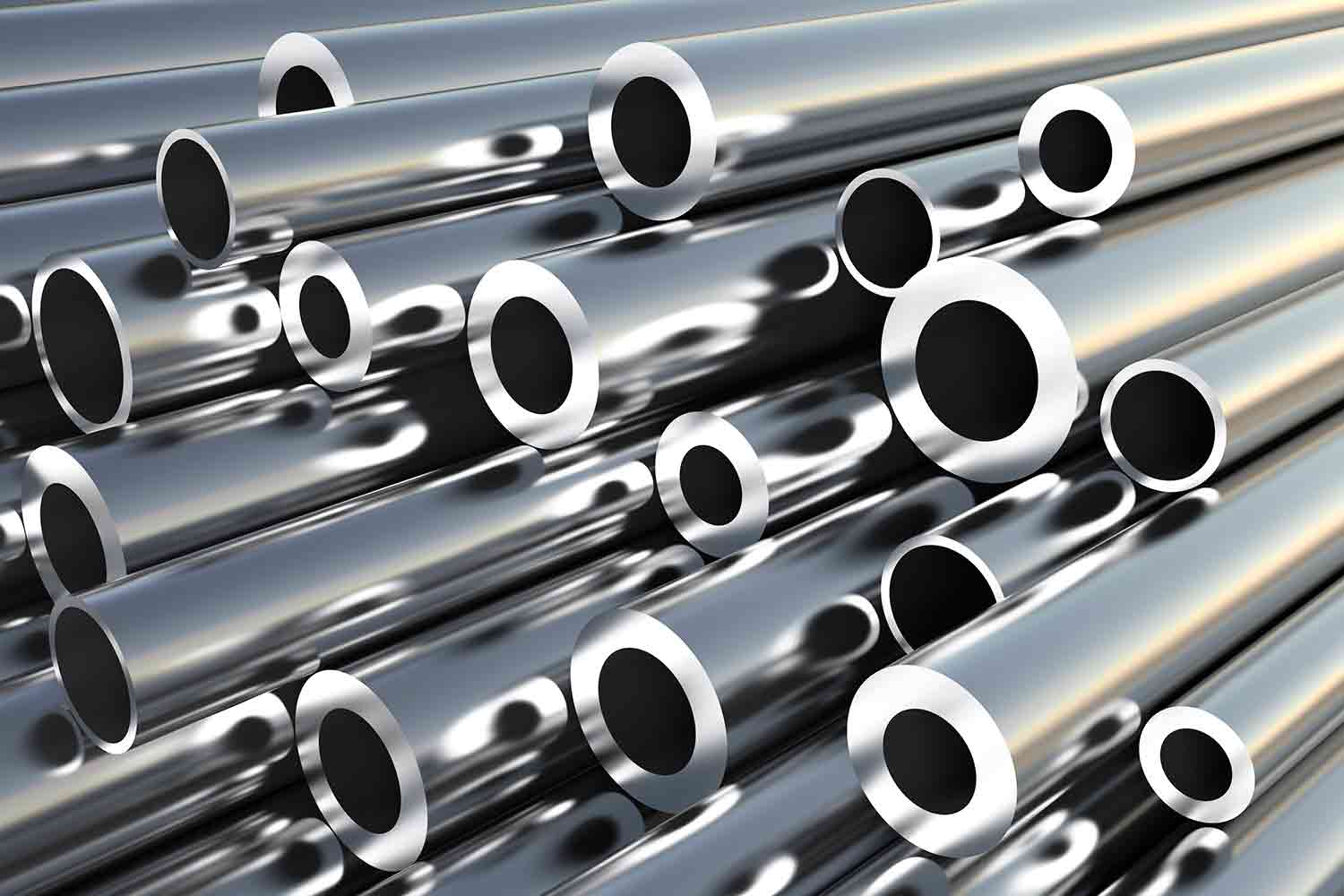
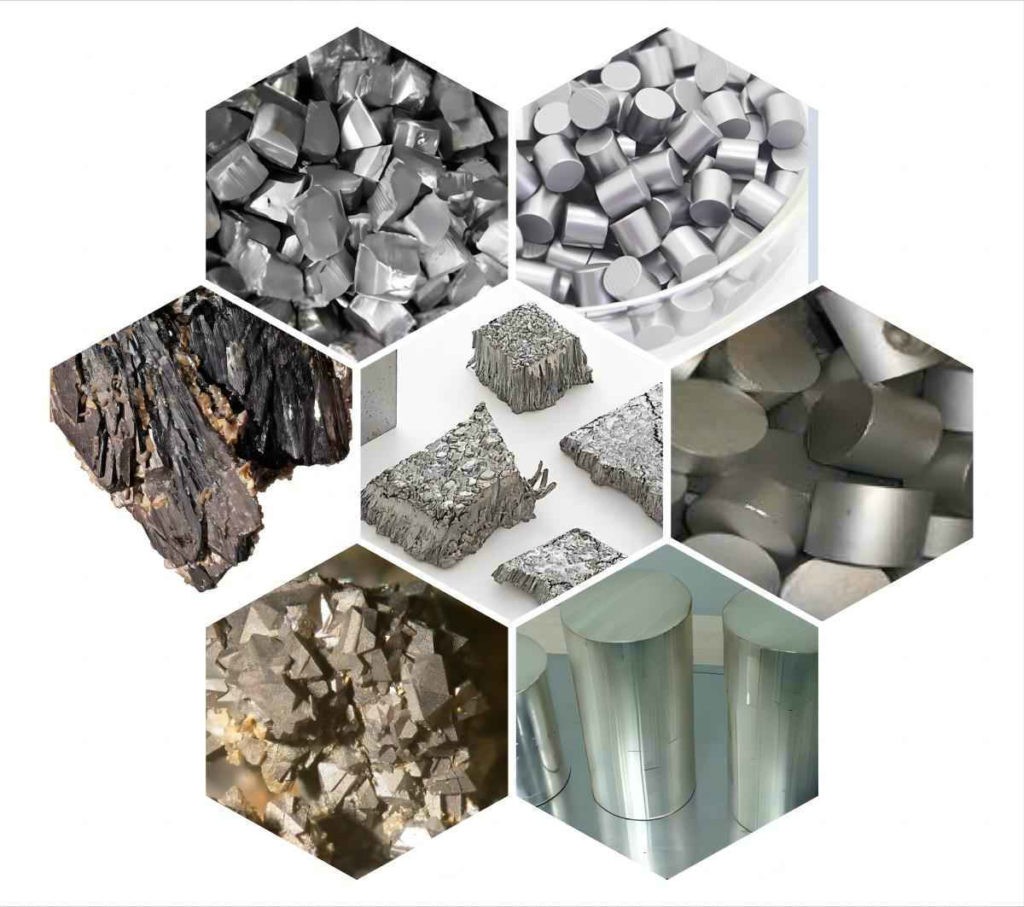
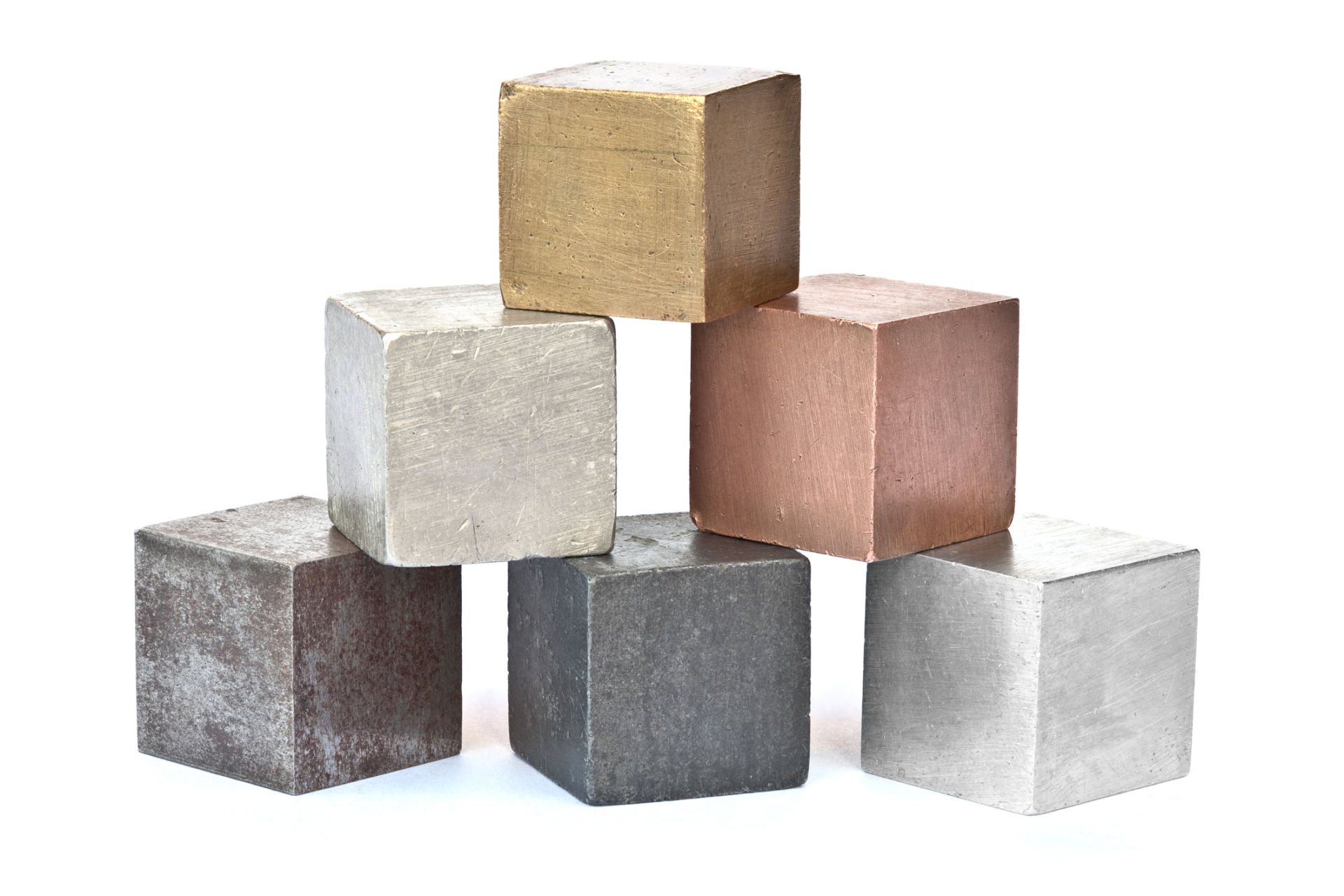
Metals are solid materials that are typically characterized by their ability to conduct electricity, high thermal conductivity, malleability (the ability to be shaped or bent), and ductility (the ability to be stretched or drawn into wires). They are primarily categorized into two broad groups: ferrous metals (containing iron) and non-ferrous metals (not containing iron). They are essential in various industrial applications due to their strength, durability, and versatility.
1. Ferrous Metals (Iron-Based Metals)
These metals contain iron and are magnetic and generally more prone to rusting. They are mostly used for construction, transportation, and heavy-duty machinery.
Types of Ferrous Metals:
- Carbon Steel: Carbon steel is the most commonly used ferrous metal. It contains carbon as its main alloying element and is categorized into low, medium, and high carbon steel.
- Applications: Used in the construction of buildings, bridges, automobiles, tools, and heavy machinery.
- Stainless Steel: Stainless steel contains chromium, which makes it resistant to corrosion.
- Applications: It is widely used in manufacturing kitchen appliances, medical instruments, architecture, and food processing equipment due to its corrosion-resistant properties.
- Cast Iron: Cast iron is an alloy of iron with a high carbon content (more than 2%). It is known for its excellent castability and wear resistance.
- Applications: It is used in making engine blocks, pipes, cookware, and other products requiring a material with good fluidity and wear resistance.
- Tool Steel: This type of steel is specially formulated to be strong, hard, and resistant to wear and deformation at high temperatures.
- Applications: Used for manufacturing tools, dies, and other industrial parts that need high resistance to wear.
2. Non-Ferrous Metals (Metals Without Iron)
These metals do not contain iron and are typically more resistant to corrosion, lighter, and more flexible than ferrous metals.
Types of Non-Ferrous Metals:
- Aluminum: Aluminum is a lightweight, corrosion-resistant metal widely used in engineering and transportation applications.
- Applications: It is used in the aerospace industry, automotive manufacturing, electrical wiring, and packaging (like aluminum foil).
- Copper: Copper is an excellent conductor of electricity and is often used in electrical applications.
- Applications: It is used in electrical wiring, plumbing, and as an alloy in materials like bronze and brass.
- Lead: Lead is a heavy, malleable metal with a high resistance to corrosion.
- Applications: Historically used in batteries (especially lead-acid batteries), roofing materials, and radiation shielding.
- Nickel: Nickel is resistant to corrosion and is often used in alloy form.
- Applications: It is used in making stainless steel, batteries, and high-temperature alloys for the aerospace and chemical industries.
- Zinc: Zinc is primarily used for galvanizing steel to prevent corrosion.
- Applications: It is used in construction, automotive industries, and in making batteries (like zinc-carbon batteries).
- Titanium: Titanium is a strong, lightweight, and corrosion-resistant metal with applications in industries requiring high strength-to-weight ratios.
- Applications: Used in aerospace, medical implants, and high-performance vehicles due to its strength, low weight, and resistance to corrosion.
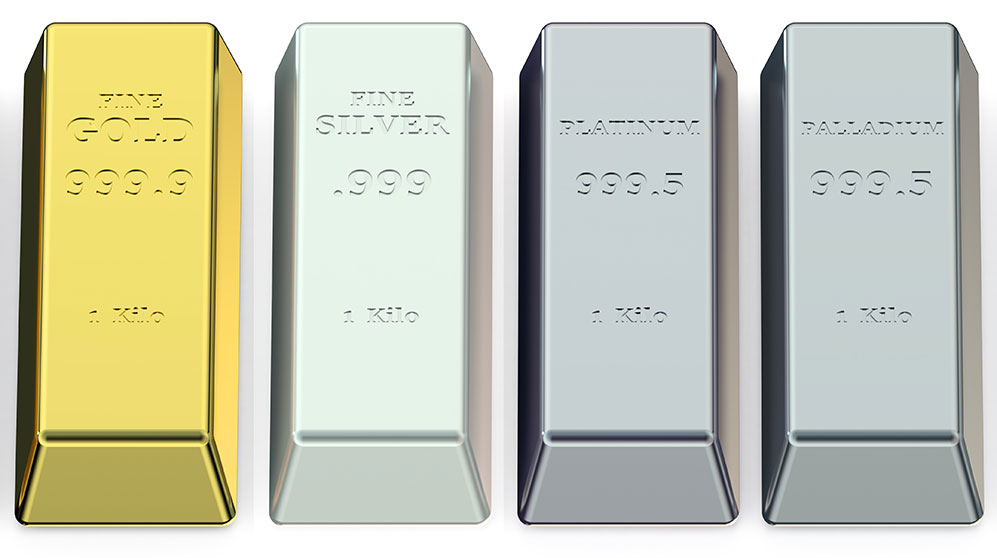
- Gold: Gold is a precious metal known for its conductivity, malleability, and corrosion resistance.
- Applications: It is used in electronics (such as connectors and circuit boards), jewelry, and currency.
- Silver: Silver is another precious metal known for its excellent conductivity.
- Applications: Silver is used in electronics, jewelry, silverware, and in some medical applications due to its antimicrobial properties.
3. Precious Metals
These metals are rare and have high economic value. They are primarily used in the jewelry industry but also have industrial applications.
Types of Precious Metals:
- Gold: Used extensively in electronics, jewelry, and as an investment vehicle.
- Silver: Primarily used in high-end electronics, jewelry, and industrial applications.
- Platinum: Known for its corrosion resistance and catalytic properties, it is used in the automotive industry for catalytic converters and in jewelry.
- Palladium: Similar to platinum, it is used in catalytic converters, electronics, and jewelry.
4. Alloys (Mixture of Metals)
Alloys are a mixture of two or more metals, and sometimes non-metals, that are created to enhance the properties of the base metals. The most common alloys are formed by combining different non-ferrous metals with other elements like iron, copper, and nickel.
Common Alloys:
- Bronze (Copper + Tin): Used in electrical applications, ship fittings, and sculptures.
- Brass (Copper + Zinc): Used in musical instruments, plumbing fittings, and electrical connectors.
- Steel Alloys: Adding elements like chromium, molybdenum, or vanadium to steel enhances its strength and heat resistance.
5. Metallurgical Applications and Industries
Metals are indispensable in a wide range of industries, such as:
- Construction and Infrastructure: Steel, aluminum, and copper are widely used in the construction of buildings, bridges, roads, and more.
- Automotive and Aerospace: Aluminum, titanium, and steel alloys are heavily used in vehicle manufacturing due to their strength-to-weight ratios.
- Electronics: Copper, gold, silver, and rare metals like palladium are integral to the functioning of electronic devices, including phones, computers, and other gadgets.
- Energy: Metals like copper, aluminum, and titanium are used in the manufacturing of wind turbines, solar panels, and other energy-related technologies.
- Medical: Stainless steel, titanium, and other corrosion-resistant alloys are commonly used in medical equipment and implants.
- Manufacturing and Machinery: Steel and its alloys are crucial in producing industrial machinery, tools, and factory infrastructure.
6. Adlim Gostar’s Role in the Metal Supply Chain
As a well-established commercial intermediary and supplier, Adlim Gostar is actively engaged with the world’s top metallurgical mills and factories to ensure a consistent and high-quality supply of metals. We are a trusted supplier for a wide range of metals, offering products such as steel, aluminum, copper, and other non-ferrous metals to industries worldwide. Our extensive network ensures that we can provide timely and efficient supply and delivery, catering to the diverse needs of our clients in sectors like construction, automotive, aerospace, energy, and electronics. Adlim Gostar ensures all products are sourced from leading manufacturers and undergo rigorous inspection processes, guaranteeing their quality and performance standards. Our expertise and strategic partnerships allow us to meet the growing demands of our clients while providing customized solutions for specific industrial requirements.
 TR
TR
 AR
AR
 RU
RU
 FA
FA