Units 155 – 158, 17th Floor, No. 1, Skyport Tower, Hurriyet Blvd., Yakuplu District, Beylikduzu County, Istanbul 34524 - Turkiye (former Turkey)
 TR
TR
 AR
AR
 RU
RU
 FA
FA
Communication methods
Units 155 – 158, 17th Floor, No. 1, Skyport Tower, Hurriyet Blvd., Yakuplu District, Beylikduzu County, Istanbul 34524 - Turkiye (former Turkey)
08504712222
info@adlimgostar.com.tr
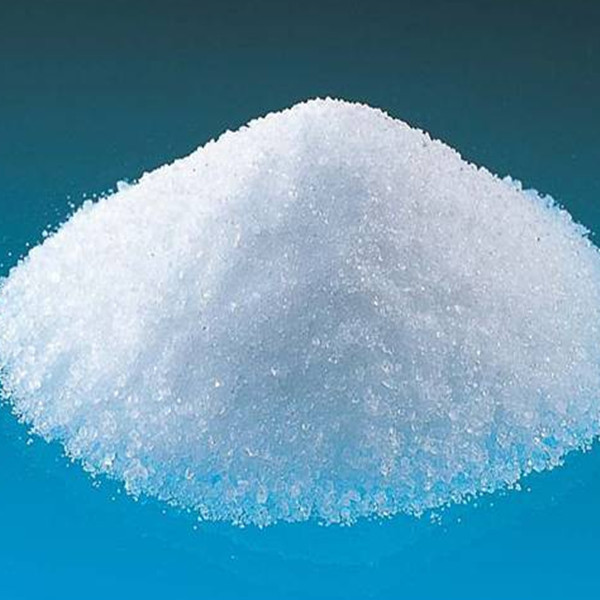
Polyvinyl Alcohol (PVA) is a water-soluble synthetic polymer that is created through the hydrolysis of polyvinyl acetate. It is a versatile polymer known for its excellent film-forming, emulsifying, and adhesive properties. PVA is widely used in various industrial applications due to its unique properties, such as solubility in water, biocompatibility, and biodegradability in certain conditions. It is often used in industries ranging from textiles to pharmaceuticals.
Subgrades of Polyvinyl Alcohol (PVA) and Their Applications
1. Partially Hydrolyzed Polyvinyl Alcohol (PH-PVA)
- Characteristics:
- Partially hydrolyzed PVA has a lower degree of hydrolysis (typically around 80-88%), making it less water-soluble than fully hydrolyzed PVA.
- It has excellent film-forming, adhesive, and emulsifying properties.
- Offers a balance between water solubility and mechanical strength.
- Applications:
- Textiles: Used in textile sizing, to prevent yarn breakage during weaving, and in the production of textile coatings.
- Paper: Coating and surface treatment in paper products, improving printability and strength.
- Adhesives: Used in wood adhesives, paper adhesives, and coatings.
- Films: Used in the production of biodegradable films and packaging materials.
2. Fully Hydrolyzed Polyvinyl Alcohol (FH-PVA)
- Characteristics:
- Fully hydrolyzed PVA has a high degree of hydrolysis (typically over 98%), making it highly water-soluble.
- Offers superior film-forming and adhesive properties.
- It exhibits high tensile strength, but lower flexibility compared to partially hydrolyzed grades.
- Applications:
- Pharmaceuticals: Used as a binder in tablet formulations, controlled-release drug systems, and wound dressings.
- Packaging: Films and coatings for food packaging, particularly in water-soluble packaging.
- Water Treatment: As a flocculant in water purification processes.
- Cosmetics: Used in cosmetic formulations for thickening and emulsifying properties.
3. High Molecular Weight Polyvinyl Alcohol (HMW-PVA)
- Characteristics:
- HMW-PVA has a high molecular weight, which provides enhanced strength, flexibility, and resistance to cracking.
- It also has improved mechanical properties compared to lower molecular weight grades.
- Typically less soluble in water, requiring higher temperatures or solvents for dissolution.
- Applications:
- Film and Coatings: Used in the production of strong, flexible films and coatings that require high durability.
- Textile and Paper Industries: Used for applications that need higher performance in coatings, binders, and adhesives.
- Construction: Used as a binder in cement and concrete products to improve their flexibility and durability.
4. Low Molecular Weight Polyvinyl Alcohol (LMW-PVA)
- Characteristics:
- LMW-PVA has a lower molecular weight, which makes it more soluble in water compared to higher molecular weight grades.
- It offers better processability and faster dissolution rates but has lower mechanical strength.
- Applications:
- Adhesives: Ideal for use in adhesives for paper, cardboard, and wood.
- Coatings: Often used in water-based coatings and emulsions.
- Textile Applications: Employed as a sizing agent and finishing agent for fabric treatments.
- Food: Used as a coating for food products to improve shelf life.
5. Polyvinyl Alcohol for Controlled Release (PVA-CR)
- Characteristics:
- This special grade of PVA is engineered to offer controlled release properties, especially in pharmaceutical applications.
- It is designed to dissolve at a controlled rate when exposed to water.
- Applications:
- Pharmaceuticals: Used in controlled-release drug formulations where the release rate of the active ingredient needs to be controlled.
- Agriculture: Used for controlled-release fertilizers that are more efficient in nutrient delivery to plants.
Key Advantages of Polyvinyl Alcohol (PVA)
- Water-Solubility: PVA is highly soluble in water, making it ideal for applications requiring dissolution or biodegradability.
- Biodegradable: When used in the right conditions, PVA can break down in the environment, making it more eco-friendly than many other plastics.
- Adhesive Properties: PVA's excellent adhesive qualities make it ideal for use in packaging, textiles, and pharmaceuticals.
- Film-Forming Capabilities: It can form clear, flexible films, which is essential for food packaging, coatings, and pharmaceutical applications.
- Biocompatibility: Due to its non-toxic nature, PVA is widely used in medical and pharmaceutical applications, including wound care and controlled drug release.
Limitations of Polyvinyl Alcohol (PVA)
- Sensitivity to Humidity: PVA is highly sensitive to moisture, which may lead to degradation or loss of strength under certain conditions.
- Limited Chemical Resistance: While it is resistant to many solvents, PVA can be affected by strong acids, bases, and some organic solvents.
- Cost: The production of high-grade PVA can be more expensive compared to other common polymers.
Conclusion
Polyvinyl Alcohol (PVA) is a highly versatile and essential polymer used across a range of industries due to its unique properties such as solubility in water, biodegradability, and film-forming ability. With various subgrades, including partially hydrolyzed, fully hydrolyzed, and high molecular weight PVA, this polymer finds applications in textiles, packaging, pharmaceuticals, food, and agriculture. Understanding the distinct characteristics of each PVA grade ensures its efficient application, meeting specific needs in diverse industrial sectors. Whether in controlled drug release or as a biodegradable packaging solution, PVA continues to be a critical material in modern manufacturing and consumer goods.